
Cuttle fish is a great way to start your journey into casting. Cuttle fish is cheap and readily available and provides superb surface textures that cuttle fish can only give you. Andrew explains all you need to know in these films.

Introduction To Casting
Casting may seem like a technique that is only available to the big manufacturers but that is not true. We can carry out small scale casting in our own studio using basic equipment and not spend a fortune. You can even pick up cuttlefish from the beaches as well as pet shops and use that as a mould. Casting can be carried out as exact a form or totally free form with very unpredictable results. Using cuttle fish you get this amazing texture from the cuttle fish bone, a very unique texture. Delft clay, a smooth near perfect surface and water caster where the results can be very varied and freeform.
Casting can be a very smelly technique, especially if you are using cuttle fish so we would advise you to make sure you have some form of ventilation or open window nearby or do it outdoors. As we are going to be melting metal, an area that is heat proof on which to cast is ideal as well as keeping a bucket of water or fire extinguisher nearby to be on the safe side. It goes without saying that safety is paramount so the usual eye and mouth protection as well as an apron is essential.
In addition to a good understanding of the basics of jewellery making, there are a few pieces of equipment you’ll need if you want to get started with casting.
- Soldering boards
- Crucible
- Crucible holder
- Delft clay
- Aluminium mould
- Professional tips & techniques for casting jewellery
- Which is the best type of casting is best to suit your designs
- Making a master out of wax or wood
- Casting using cuttle fish, sand and water
- The equipment needed
- The hows and whys when it comes to small scale casting
Getting Started With Casting
Before you get started, these videos will lay the groundwork as you progress and develop your skills. Here we are introducing you to the three main types of small scale casting.
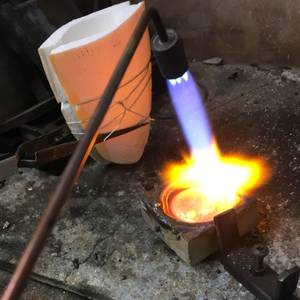

Delft Clay
Using special casting sand, Andrew prefers to use Delft Clay sand, then the results you can expect to achieve can be of a very high professional standard. There are going to be some limitations on what you can cast but the results are very professional.
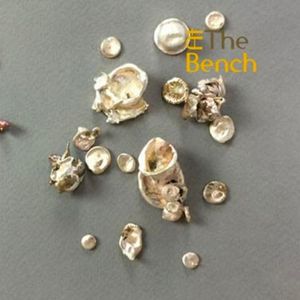
Water Casting
Pouring molten metal onto any surface can be dangerous if done incorrectly but if the metal is poured into water or water with ice in, then you can achieve simple random shape than can be used for ear rings, pendant or any type of embelishment.
Learning Path
-
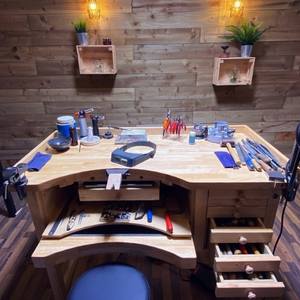
Setting Up A Studio
Wondering where to begin with setting up your jewellery work space? -

Introduction To Piercing
Help with choosing the right saw frame and blades and piercing projects -

Introduction To Soldering
The tools you need for soldering along with simple projects to help you perfect your technique. -
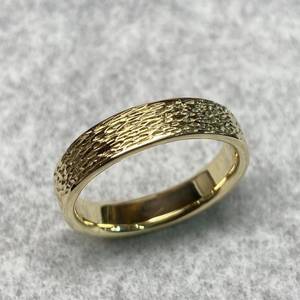
Introduction To Finishes and Textures
High polish, sating, matt finishes? All the help and techniques you need to achieve every finish -

Introduction To Stone Setting
Learn how to bezel, prong, bead channel and flush set with tips and tricks to help you achieve professional results. -
Introduction To Casting
Fancy casting? Try cuttlefish, delft clay, water, broom and even spaghetti casting to achieve amazing results. -

Introduction To Rolling Mills
With so many types of rolling mills available, which one best suits my needs? And once I have one where do I put it and how do I use it?