
There are several types of rolling mill available – direct drive, geared and electric. Then there are several different type of rolls too – plain, grooved, D-section. Then there are different stands to put them on. This series of films shows you everything you need to know.

Introduction To Rolling Mills
Are you thinking about buying a rolling mill? Well there are lots of options to consider. It is best not to buy a cheap mill because it won’t have the quality and it certainly won’t last with the amount of work you will be doing with it. Go for a branded rolling mill such as a Durston or Pepe as these are the most reliable mills on the market. Andrew bought his first Durston rolling mill way back in the 1980’s and it is still going strong today!
A rolling mill is not a cheap purchase. A good quality Durston model will set you back many hundreds of pounds/dollars. So it is not an item that a beginner would immediately buy. But if you are serious about your jewellery making, a rolling mill with open up a new world for you.
There are several types of rolling mill available – direct drive, geared and electric. Then there are several different type of rolls too – plain, grooved, D-section. Then there are different stands to put them on.
You will learn about choosing the right rolling mill for your workshop and your needs and most importantly – your budget.
Do I Need A Rolling Mill?
The simple answer is YES! But it should not be a spur of the moment decision. There are plenty of options to think about. The films below will take you all the options available to you so you can make an educated purchase and be happy with what you eventually buy.

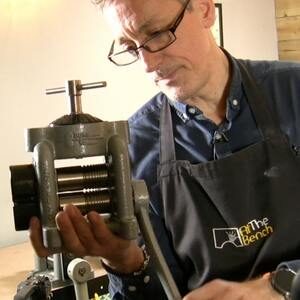
Rolling Mill FAQ
This film is a recent workshop that Andrew & Louise broadcast all about rolling mills. The workshop has been split into chapters so you can dive straight into the topic that you want. Plenty of hints and tip with questions asked by the attendees and Andrew answering them with his 36+ years experience.
How To Use A Rolling Mill
There are so many reasons to buy a mill. Andrew's very first purchase was indeed a Durston rolling mill way back in the 1980's and it's still going strong today. You can use it to shape metal into different thicknesses from metal you have or some silver 'scrap' you have just remelted. You can use it with a texture plate to impart an amazing texture. All of this can be achieved quickly and cheaply which is one of the main advantages of a rolling mill. No need to wait arounf dor deliveries - if you want some thinner metal, well just roll it down - EASY!

How to Use a Rolling Mill
So you are eagerly awaiting delivery of your mill or it’s just been delivered, so it’s worth taking the time to look at the instructions that come with it. Familiarise yourself with the parts, check its all in good condition, attach the handle and locate it securely to a solid work surface and you are ready to roll!
Learning Path
-
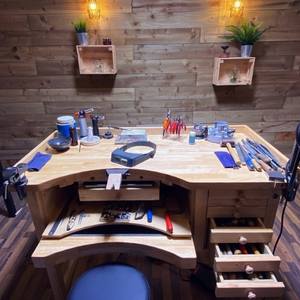
Setting Up A Studio
Wondering where to begin with setting up your jewellery work space? -

Introduction To Piercing
Help with choosing the right saw frame and blades and piercing projects -

Introduction To Soldering
The tools you need for soldering along with simple projects to help you perfect your technique. -
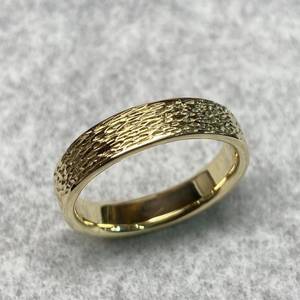
Introduction To Finishes and Textures
High polish, sating, matt finishes? All the help and techniques you need to achieve every finish -

Introduction To Stone Setting
Learn how to bezel, prong, bead channel and flush set with tips and tricks to help you achieve professional results. -
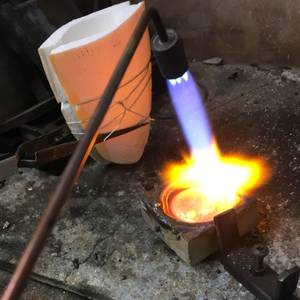
Introduction To Casting
Fancy casting? Try cuttlefish, delft clay, water, broom and even spaghetti casting to achieve amazing results. -
Introduction To Rolling Mills
With so many types of rolling mills available, which one best suits my needs? And once I have one where do I put it and how do I use it?